
Electrified production
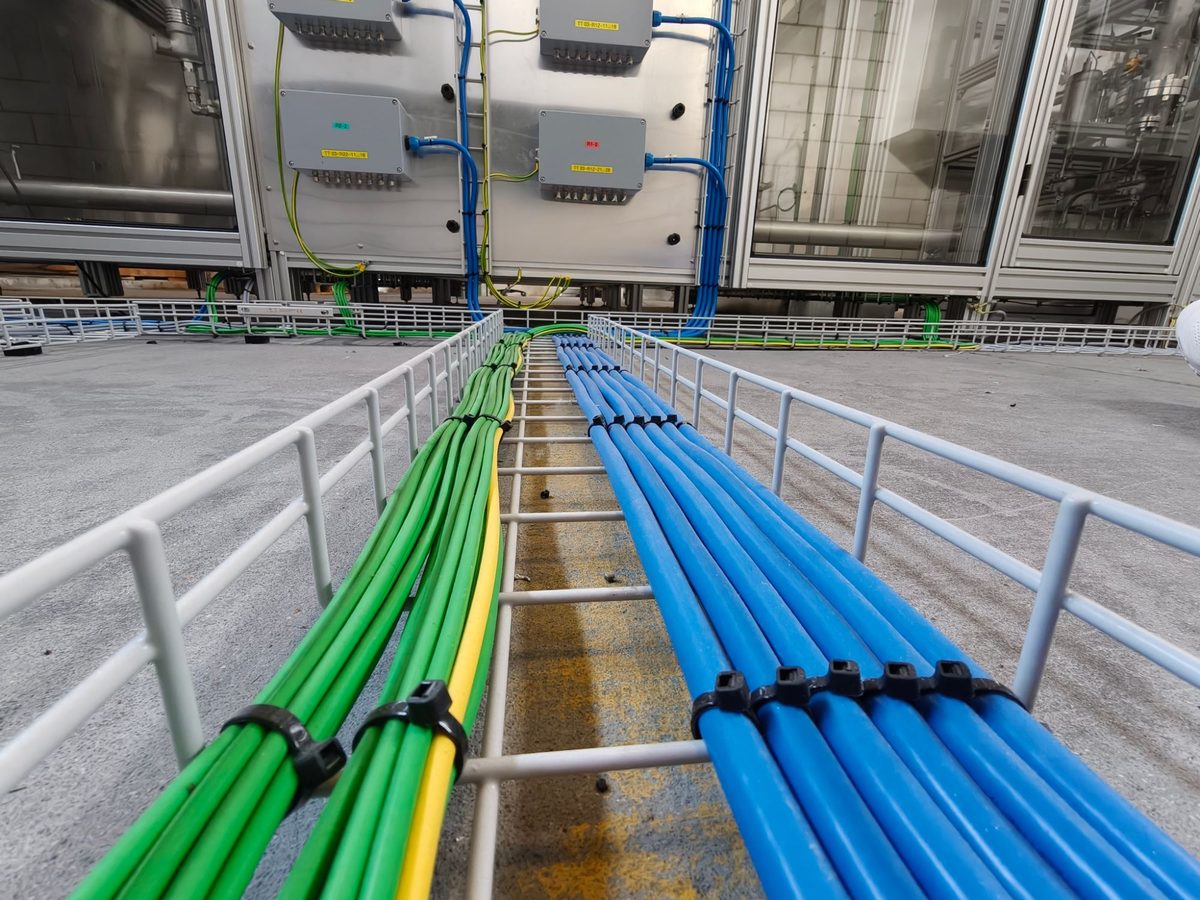
Gota’s process is designed around electrically powered reactors rather than fossil-fired process heat. The electricity source remains important to lifecycle emissions.
Gota’s sustainability approach starts with the way the fuel is produced: how energy is supplied, where its carbon-containing inputs come from, and how the entire fuel lifecycle is assessed.
Three decisions shape the pathway — and the conditions under which its environmental benefits can be realised.
Gota’s process is designed around electrically powered reactors rather than fossil-fired process heat. The electricity source remains important to lifecycle emissions.

Gota starts with carbon-containing alcohols produced through biological or renewable-electricity pathways. Their origin and upstream production affect the environmental result.
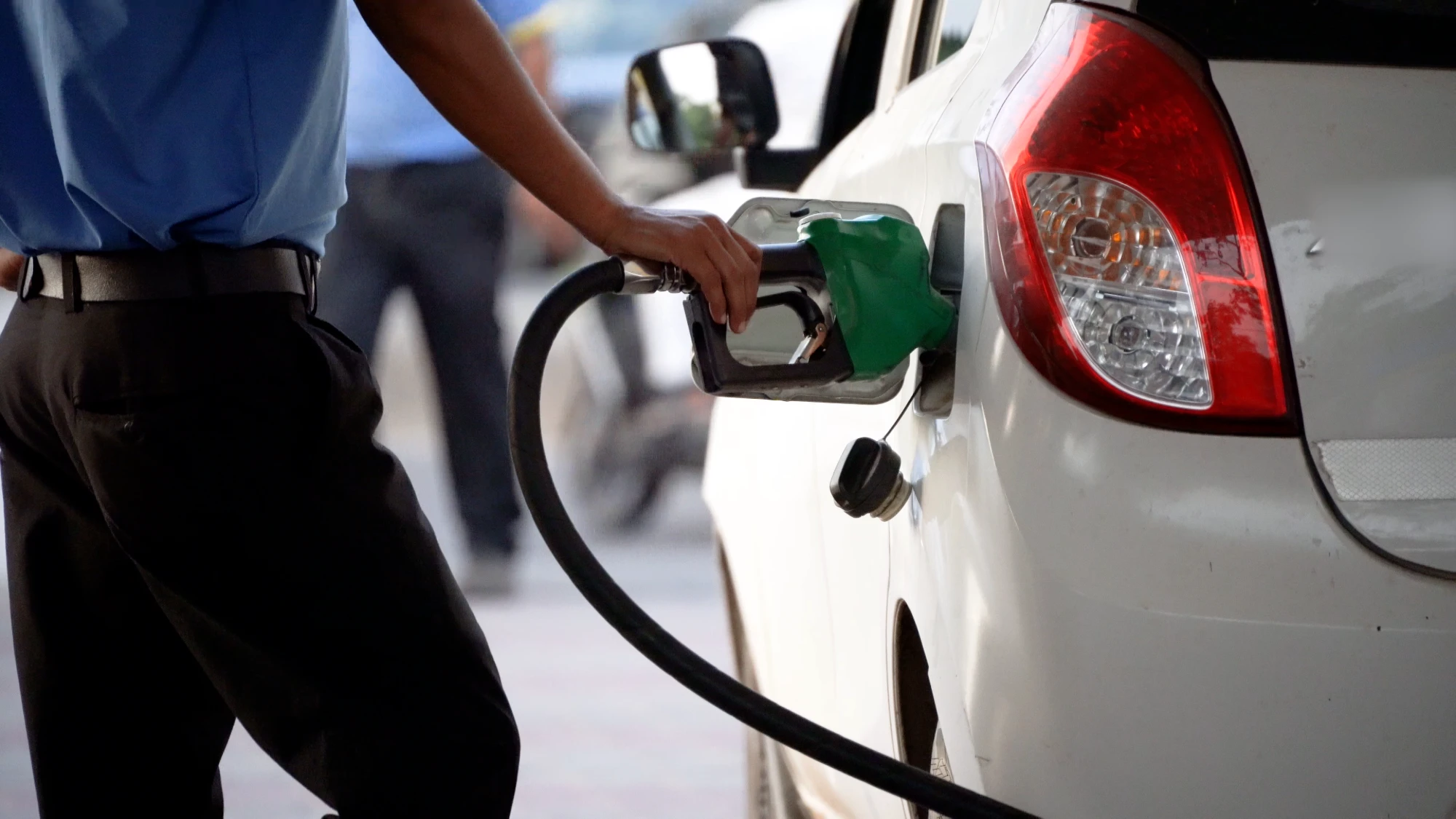
Gota Gasoline is designed for the engines and fuel systems already in use. Existing fuel distribution and refuelling systems can remain in use.
The production choices above explain Gota’s approach. A lifecycle assessment takes a wider view — from the origin of the inputs, through making and moving the gasoline, to its use.
Where the carbon-containing feedstocks come from, how they are made, and the source of electricity.
Energy and materials used at the plant, followed by fuel storage, transport and distribution.
Emissions when the gasoline is used, considered as part of the overall lifecycle balance.
Gota Gasoline and conventional gasoline are compared across the same lifecycle stages. The result depends on the inputs and conditions assessed.
Explore how Gota makes its gasoline — and the longer-term commitment to locally produced liquid fuels.
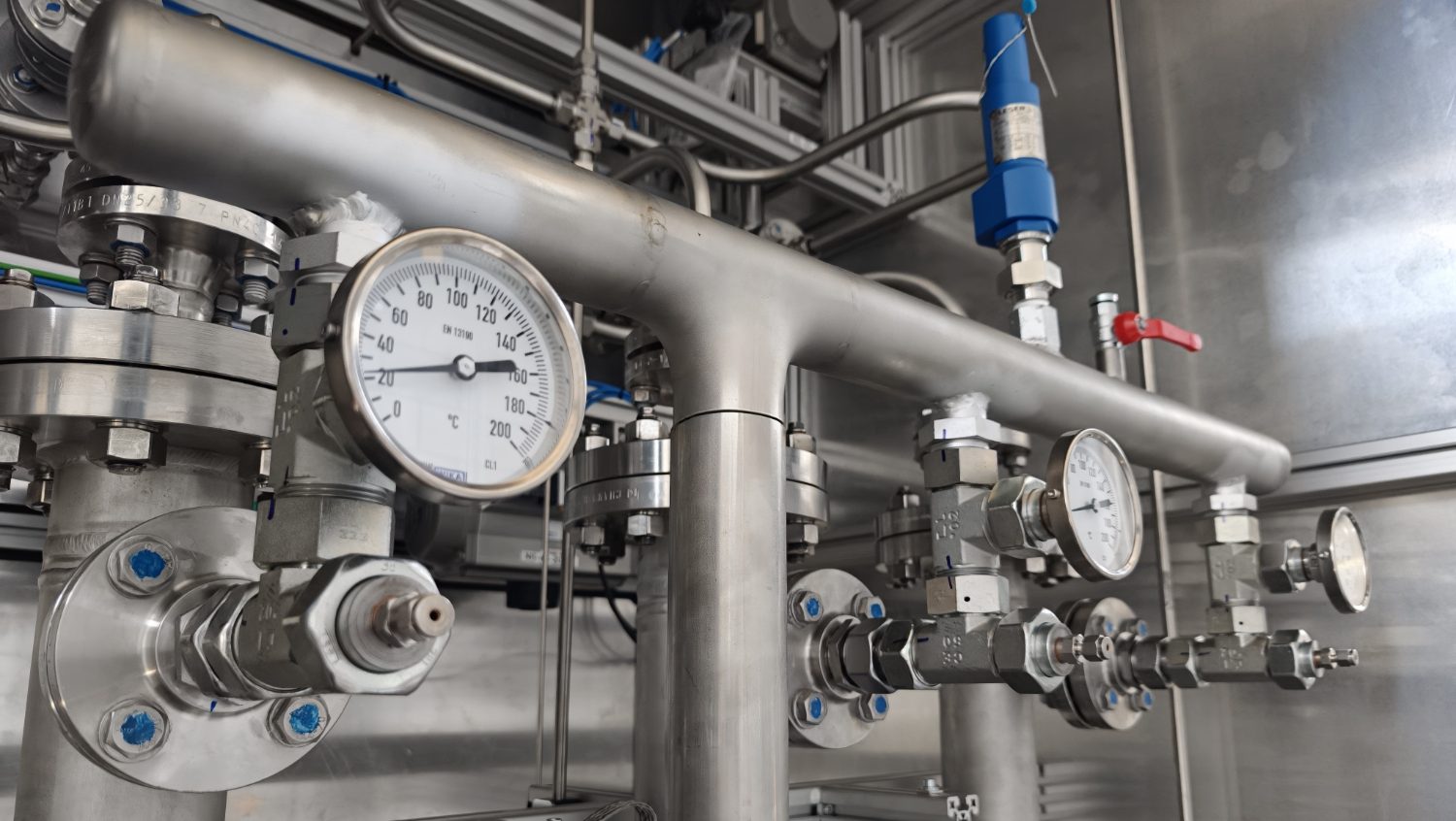
Real, measurable emissions reductions across the full fuel lifecycle, designed into the process and backed by data.
Up to 100% lifecycle carbon reduction compared to conventional gasoline.
Our production is designed to run entirely on renewable energy sources.
We don't use natural gas or fossil feedstock in our production process.
Aiming to emit net zero by keeping carbon in a closed loop through our fuels.
How sustainability is built into the way we make fuel.